


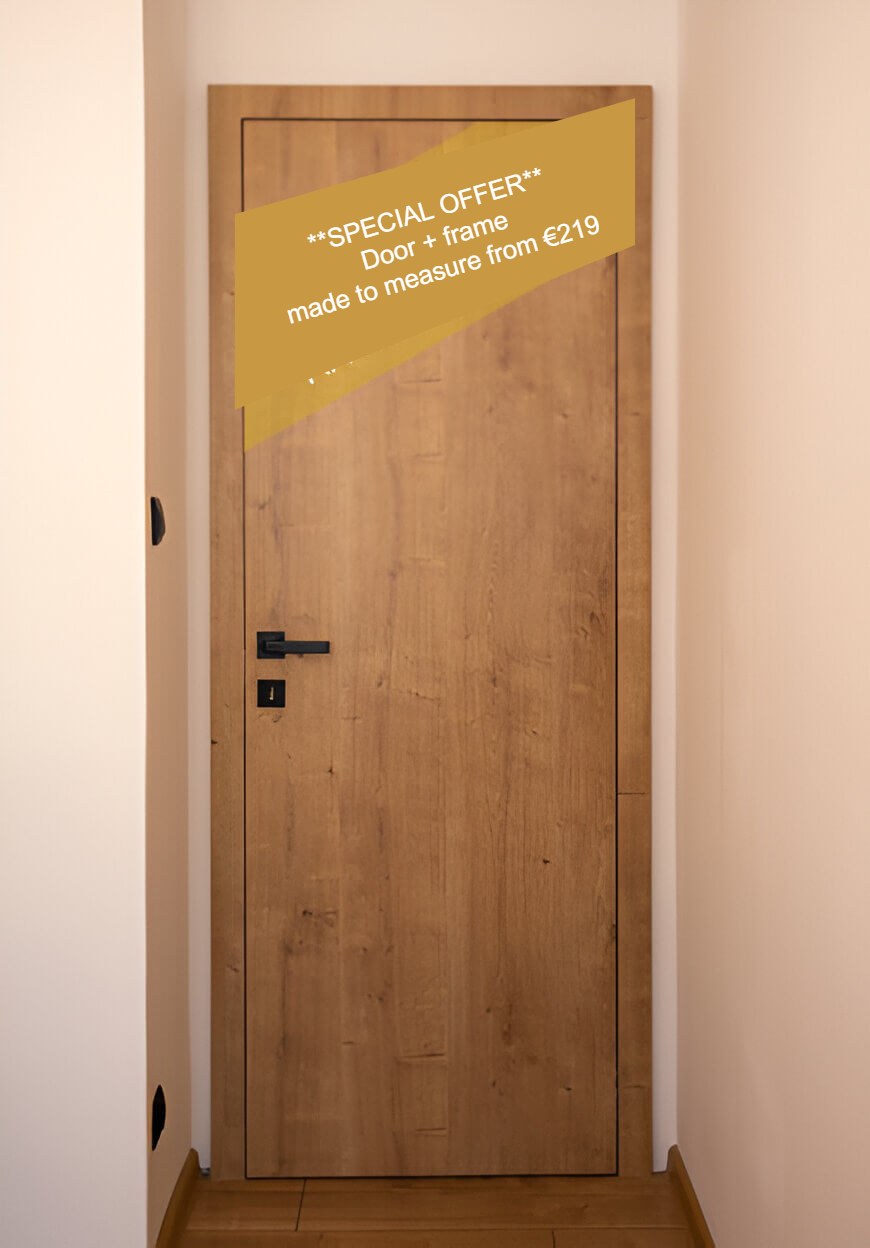
It is very popular here for its cleanliness, practicality and play with daylight. The north does not get much daylight and sun, so in interiors they do not skimp on white, which is the basis (walls, furniture, sometimes even the floor). White is complemented by cream or grey colours; bright colours are used very rarely, and only to break up the monotony of the interior. For this they use a small number of accessories, for example in yellow or contrasting red, but only a small amount. Scandinavians try to help the daylight coming in through the windows as much as possible, so they do not needlessly darken the windows with heavy curtains but, on the contrary, leave the windows clear or at most use delicate fabrics through which light passes easily into the room. Since the design of an entire interior in Scandinavian style is focused mainly on light, great attention is paid to the choice of light fittings. They tend to be more prominent, and that is precisely why they are the first thing you should notice on entering a room. Several types of light fittings are usually combined, and in many cases they create so-called “light corners”.
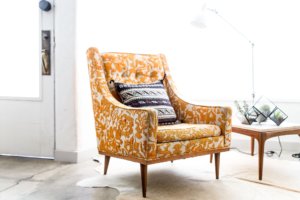
Contrast is used for decoration in this style; for example, black picture frames are common. Interiors are not decorative but rather practical, and are not over-ornamented. Nordic designers are not afraid of bold patterns, contrasts or strong fabric colours.
A bit of history:
Scandinavian style is characteristic of the Nordic countries – Norway, Sweden, Finland, Denmark and Iceland. It came to attention mainly thanks to the Triennale di Milano exhibition held in the 1950s. People fell in love with it at once at this exhibition, and it caused a so-called “boom” in interior design. We can say that it was precisely its cleanliness that impressed people who were already fed up with the heavy historicising furniture of the day. Because of its great success the exhibition moved to America, where it caused the same craze. However, it was not only the exhibition that made the style famous, but above all the designers who adopted Scandinavian style and devoted their work to it.

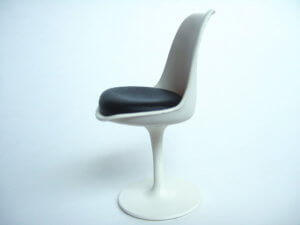
The Finn Eero Saarinen even brought a new element, plastic, into the interior as one of the first.

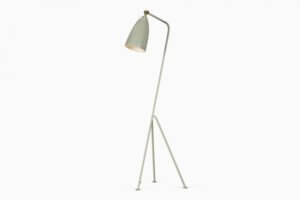
The Swede Greta Grossman created the now iconic floor lamp, whose unique design suits any Nordic interior.
What to stick to when designing a Scandinavian interior?
Light, light and once again light. Pay special attention to how you work with light. Do not block daylight from entering the interior; on the contrary, help it along, and do not forget artificial lighting, which can be an alternative to accessories.
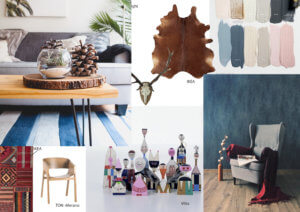
Iconic pieces of furniture or accessories simply equal Scandinavian style. Treat yourself and beautify your interior with at least one “designer piece”.
Forget wall-to-wall carpets. Scandinavians have a wooden floor throughout the interior, except for bathrooms. Small rugs are just right!
Less is more: more than one respected designer has said this, and with Scandinavian style we should certainly not forget to mention it. So do not forget it either when creating your interior.
Above all ECO! These countries live ecologically and give things a second chance, a Scandinavian standard.

Summary:
Simplicity of shapes
Neutral colours
Natural materials – wood, leather, wool
Plenty of light
Eco-friendliness



Contact us
If you have any questions, do not hesitate to contact us or visit us at one of our branches in Čachtice, Bratislava or Trnava.

Addresses
Production: ČACHTICE 1025
Shop: BRATISLAVA
Rača, Cyprichova 4
Showrooms:
TRNAVA, Jerichova 288
ŽILINA, Pivovarská 1068

